






Be honest; when was the last time you properly cleaned your windowsills? They’re easy to miss, quietly gathering dust and a suspicious amount of fluff while you focus on the bigger, louder chores.
But a bit of regular care can make your home look fresher and save you from avoidable repairs down the line.
If you’re looking for simple tips that won’t drain your wallet or steal your weekend, you’re in the perfect spot. Keep reading; your windowsills are about to get the glow-up they’ve been patiently waiting for.
Identify the Material
Before you grab a cloth and start scrubbing, you need to figure out what your windowsills are actually made of. It sounds obvious, but using the wrong cleaner can turn a simple cleanup into an accidental renovation project, and nobody wants that on a Tuesday afternoon.
Let’s break down the main types you’re likely to have at home:
Wooden Windowsills
These beauties look great but can be a bit high-maintenance when it comes to water. Too much moisture, and they’ll warp or swell.
The key is to use a barely damp cloth, wipe them gently, and then dry them straight away. Harsh cleaners are best avoided, too, since they can strip off the protective coating.
Vinyl Windowsills
Vinyl is tougher, but it still has its limits. Harsh chemicals can bleach or dull the surface, and abrasive scrubbers can leave fine scratches that catch the light in all the wrong ways.
A simple mix of mild soap and warm water is usually all they need to stay clean.
Stone Windowsills
Stone looks wonderfully solid and luxurious, but it can be surprisingly absorbent. To get rid of stains, you can use pH-neutral products.
And if you want to keep them looking sleek rather than speckled, resealing them every now and then goes a long way towards preventing permanent marks.
Prep Your Supplies
Now that you know what your windowsills are made of, let’s make sure you’ve actually got the right gear to clean them without turning the whole job into an ordeal.
- Soft microfibre cloths. They grab dust without scratching anything and don’t leave behind that annoying fluffy lint that somehow ends up everywhere except the bin.
- A soft-bristled brush and a handheld vacuum. They’re perfect for corners, edges, and any awkward spot where dust settles.
- A squeegee. If your windowsills tend to get damp or you live in an area where humidity is high, keep a squeegee nearby. A quick swipe after cleaning will stop moisture from inviting mould to move in.
- A gentle cleaner. Stick to mild, pH-neutral cleaners that won’t damage the surface. You can even mix your own with warm water and a little soap if you’d rather save money.
Clean Like a Pro With These Steps
Once you’ve gathered your supplies, you’re ready to give those windowsills a proper clean. Here’s the easiest way to get it done:
- Clear the surface. Move plants, candles, and photo frames. Giving yourself a blank workspace will make the whole thing instantly simpler.
- Get rid of loose debris. Use your handheld vacuum or soft brush to whisk away dust, crumbs, and whatever else has been gathering in the corners.
- Mix a gentle cleaning solution. Warm water and a little mild soap are usually all you need.
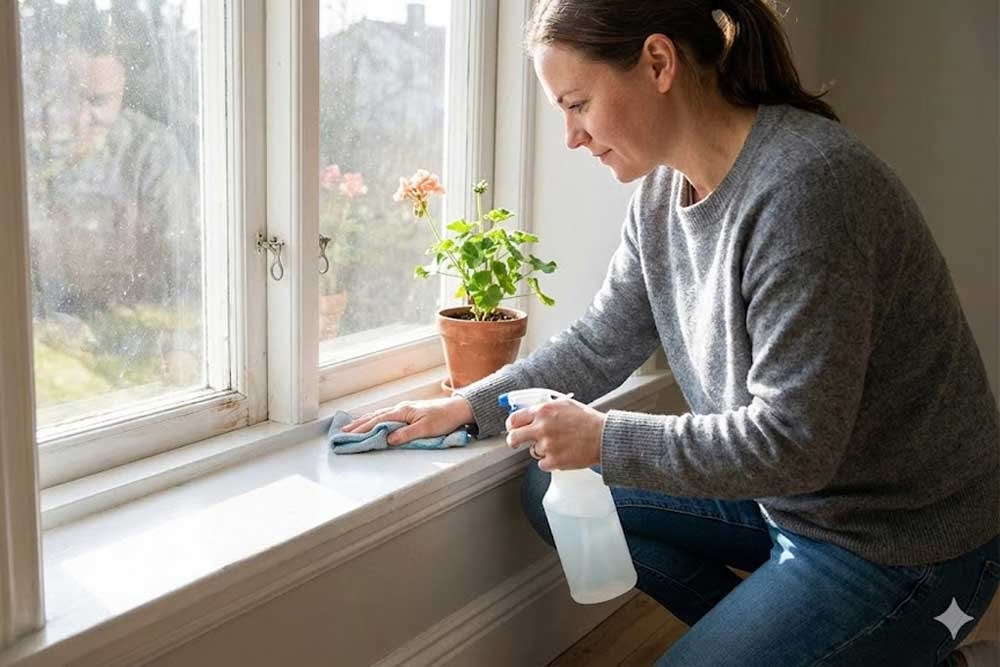
- Wipe everything down. Work your cloth across the surface, paying extra attention to the edges and corners where dust tends to settle in.
- Tackle stubborn marks. When you hit a spot that refuses to budge, mix a simple baking-soda paste and apply it with a soft brush. Let it sit for a moment and scrub the area.
- Dry the sill completely. Grab a clean cloth and get rid of any remaining moisture. You may be tempted to skip this part, but don’t; moisture is basically a welcome mat for mould.
Stop Mould in its Tracks
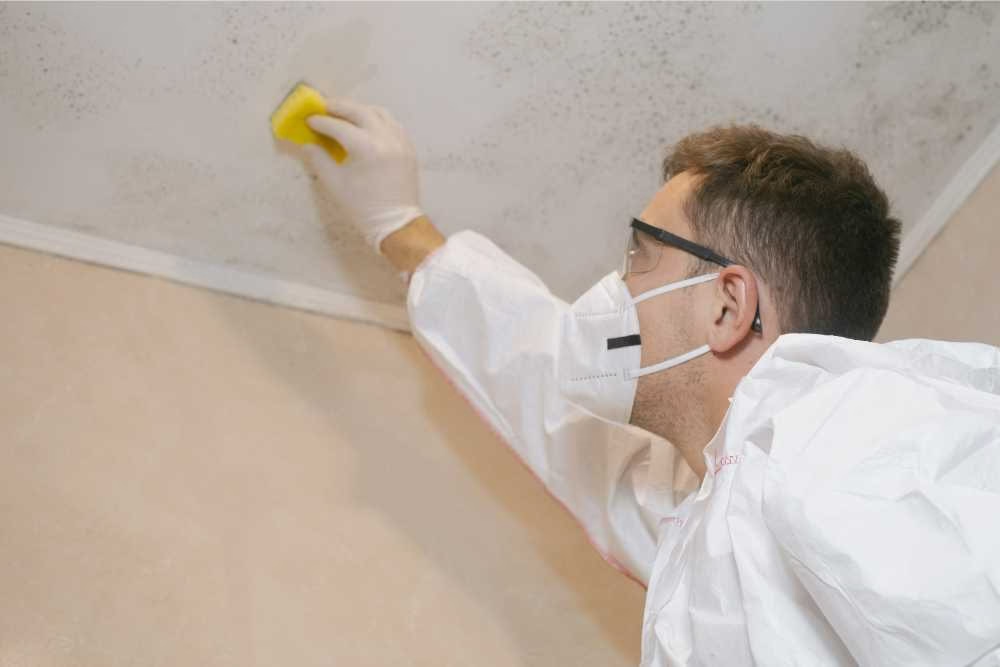
Now, if you’ve spotted mould or mildew creeping onto your windowsills, don’t panic—you’re not dealing with a full-blown biohazard. These little invaders love damp corners, so the moment they find even a hint of lingering moisture, they set up camp like it’s an all-inclusive holiday.
The first step is to sort out the moisture problem as quickly as you can. If condensation is an issue, try airing the room out more often or running a dehumidifier.
Once you’ve dealt with the dampness, you can tackle the mould itself. One of the most effective treatments is also one of the simplest: a mix of equal parts water and white vinegar.
Pour it into a spray bottle and give the affected area a generous spritz. Let it sit for around ten minutes, scrub gently, then rinse the area with clean water to remove any leftover solution.
If you want to go the extra mile, consider using a mould-resistant sealant once everything is clean and dry. It adds a protective layer that makes it much harder for spores to settle in again.
Keep Your Sills Looking Their Best
Once your windowsills are sparkling, the trick is keeping them that way without turning it into yet another chore you dread.
A quick wipe-down once a month is usually enough to stop grime from settling in and making itself comfortable.
And if you love displaying plants on your windowsills, try slipping something underneath the pots. A little coaster or tray can save you from surprise water rings, warped wood, or that moment of horror when you lift a planter and discover an entire damp patch beneath it.
It’s also worth taking a moment now and then to inspect the sealant around the window. Small cracks or gaps can sneak up on you, and they’re not just cosmetic. Left alone, they can let in drafts, moisture, or even cause mould.
And if you ever feel like you’re juggling too much housework, there’s no shame in calling in reinforcements.
Many people choose to find cleaners who can take care of the deep cleaning while they handle the quick weekly upkeep. These professional services can give your windowsills and the rest of your home a refresh, making your routine maintenance even easier.
Conclusion
If you’ve been waiting for a sign to refresh your windowsills, this is it. And once you see the difference, you might actually feel tempted to keep the streak going.
So, take charge, enjoy the quick win, and let your freshly cleaned windowsills set the tone for the rest of your day.